April 18, 2026

market analysis

What does it mean when bitcoin goes up? This question not only intrigues seasoned investors but also captivates newcomers eager to understand the dynamics of cryptocurrency. Bitcoin’s price movements are influenced by a multitude of factors, from market sentiment to institutional investments, creating a complex web that defines its value. Understanding these elements can provide valuable insights into the nature of cryptocurrency trading and investment opportunities.

In this discussion, we will delve into the various aspects that drive Bitcoin’s price fluctuations. Factors such as supply and demand, economic indicators, and regulatory developments will be explored, providing a comprehensive overview of what influences Bitcoin when it experiences an upward trend.

Understanding Bitcoin Price Movements

Bitcoin’s price is known for its volatility, influenced by a range of factors that can cause significant price swings within short periods. Understanding these elements is crucial for investors and traders who wish to navigate the complexities of the cryptocurrency market.

Factors Influencing Bitcoin Prices

Several key factors influence Bitcoin’s price movements:

  • Supply and Demand: The fundamental economic principle of supply and demand plays a critical role in determining Bitcoin’s value. A limited supply of Bitcoin, capped at 21 million coins, paired with increasing demand can drive prices higher.
  • Market Events: Major events such as regulatory news, technological advancements, or security breaches often affect market sentiment, leading to price increases or decreases.
  • Investor Behavior: Seasonal trends and investor psychology can lead to price fluctuations, with periods of euphoria often followed by corrections.

Market Sentiment and Its Impact

The perception of Bitcoin among investors can significantly impact its price. This sentiment is shaped by various factors, including news coverage and social media trends.

Investor Sentiment Effects

Investor sentiment can create dramatic shifts in Bitcoin prices. When optimism prevails, more individuals are likely to buy, pushing prices up. Conversely, fear or skepticism can lead to sell-offs.

Role of News Media

The media plays a pivotal role in shaping public perception of Bitcoin. Positive headlines about institutional investments or technological breakthroughs can bolster confidence and drive prices higher, while negative press can have the opposite effect.

Social Media Trends

Social media platforms are influential in driving price fluctuations. Trends and discussions on platforms like Twitter and Reddit can lead to rapid buying or selling, impacting Bitcoin’s price almost instantaneously.

Economic Indicators and Bitcoin

Bitcoin does not operate in a vacuum; its price is often correlated with traditional economic indicators.

Relationship with Economic Indicators

Bitcoin’s appeal as a financial asset can be influenced by various economic indicators, including:

  • Inflation Rates: Rising inflation can lead investors to seek alternative assets like Bitcoin as a hedge against currency devaluation.
  • Interest Rates: Low-interest rates can push investors toward riskier assets, including cryptocurrencies, thereby increasing Bitcoin’s demand.
  • Global Economic Stability: In times of economic uncertainty, Bitcoin is often viewed as a safe haven, which can lead to price increases.

Technical Analysis of Bitcoin Prices

For those interested in trading Bitcoin, technical analysis is an essential tool for predicting price movements.

Reading Bitcoin Price Charts

To read Bitcoin price charts effectively, traders should familiarize themselves with key concepts like:

  • Support and Resistance Levels: Identifying these levels can help traders understand potential price action.
  • Volume Analysis: High trading volumes often indicate strong trends, whether bullish or bearish.
  • Chart Patterns: Patterns such as head and shoulders or triangles can suggest future price movements.

Common Technical Indicators

Several technical indicators are commonly used to predict Bitcoin price movements:

  • Moving Averages: The simple moving average (SMA) and exponential moving average (EMA) help identify trends.
  • Relative Strength Index (RSI): This momentum oscillator helps determine whether Bitcoin is overbought or oversold.
  • Bollinger Bands: These bands indicate volatility and potential price reversals.

The Role of Institutional Investment

Institutional investors have increasingly entered the Bitcoin market, significantly influencing price dynamics.

Impact of Institutional Investors

The involvement of institutional investors can stabilize and increase Bitcoin’s price due to their substantial purchasing power. Their entry often signals confidence in Bitcoin as a legitimate asset class.

Trends in Institutional Adoption

A noticeable trend is the growing acceptance of Bitcoin and cryptocurrencies within financial institutions. This has implications for price movements, as increased investment can lead to greater price stability and upward pressure.

Large Purchases and Sales

When institutions make significant purchases or sales, the effects can be immediate and pronounced, often leading to notable price changes. This is due to the volume of assets involved, which can sway market sentiment.

Regulation and Its Effects on Bitcoin Prices

Government policies and regulations have a profound impact on Bitcoin’s market performance.

Influence of Government Regulations

Regulations can either bolster or hinder Bitcoin’s market, as seen in various countries implementing favorable or restrictive measures.

Effects of Legal Developments

Legal announcements can lead to significant price movements. A favorable ruling or clarification regarding Bitcoin’s status can boost prices, while negative news can lead to declines.

Comparing Bitcoin to Other Cryptocurrencies

When analyzing Bitcoin’s price movements, it’s essential to compare it with other cryptocurrencies.

Price Movement Comparison

Bitcoin’s price movements often differ from those of altcoins, influenced by various unique factors.

Cryptocurrency 2023 Price Performance (%)
Bitcoin 150%
Ethereum 120%
Ripple 80%

Unique Factors Contributing to Bitcoin’s Price

Several aspects set Bitcoin apart from other cryptocurrencies:

  • First Mover Advantage: Being the first cryptocurrency, Bitcoin enjoys widespread recognition and trust.
  • Network Effects: A larger user base enhances utility, making Bitcoin more valuable.
  • Market Liquidity: Bitcoin generally has higher liquidity compared to many altcoins, contributing to its price stability and attractiveness.

The Future of Bitcoin Price Trends

Looking ahead, Bitcoin’s price trends can be shaped by various emerging factors.

Potential Future Price Movements

Based on current data trends, Bitcoin may see continued price appreciation, driven by factors such as technological advancements, mainstream adoption, and macroeconomic conditions.

Technological Advancements

Innovations such as the Lightning Network could enhance Bitcoin’s scalability and transaction speed, potentially increasing its utility and value.

Long-Term Outlook

The long-term outlook for Bitcoin as a financial asset remains positive, with increasing adoption and recognition among institutional players and retail investors alike. This sustained interest may lead to further price growth in the coming years.

Concluding Remarks

In summary, the phenomenon of Bitcoin rising in price encapsulates a variety of influences, from market sentiment and institutional involvement to external economic factors. As we venture into this evolving landscape, staying informed about these dynamics is crucial for navigating the complexities of investing in Bitcoin. Ultimately, understanding what it means when Bitcoin goes up can empower investors to make more informed decisions in this unpredictable market.

Q&A

What causes Bitcoin to increase in price?

Bitcoin prices typically rise due to heightened demand, positive market sentiment, institutional investments, and favorable economic indicators.

How do news events affect Bitcoin prices?

News events can significantly impact Bitcoin prices by shaping public perception and investor sentiment, often resulting in immediate price fluctuations.

What role do social media trends play in Bitcoin’s price?

Social media can amplify trends and discussions around Bitcoin, creating momentum that can lead to rapid price increases.

How does inflation influence Bitcoin’s value?

During periods of high inflation, Bitcoin is often viewed as a hedge against currency devaluation, increasing its appeal and driving prices up.

Are there specific times when Bitcoin tends to increase?

Bitcoin often sees price increases during bull markets, following major announcements from institutions, or during economic uncertainty.
The Bitcoin price in June 2013 marked a significant moment in the nascent cryptocurrency market. It wasn’t just another price fluctuation; it was a snapshot of a burgeoning ecosystem grappling with early adoption, volatility, and the nascent regulatory landscape. Understanding this period offers valuable insights into the challenges and opportunities that defined the cryptocurrency world’s formative years.

This exploration delves into the context surrounding the Bitcoin price in June 2013, examining the factors that shaped its volatility and the broader cryptocurrency market. We’ll analyze the key exchanges, the price movements, and the overall sentiment toward Bitcoin at the time, providing a detailed account of this pivotal period in crypto history.

Bitcoin Price Context in June 2013

Bitcoin, in its nascent stages, was experiencing a period of rapid growth and volatility in June 2013. The cryptocurrency market was still largely unexplored territory, and the price fluctuations were a defining characteristic of this early phase. The events and trends of this time laid the groundwork for future developments in the cryptocurrency landscape.

Historical Overview of the Cryptocurrency Market

The cryptocurrency market, prior to June 2013, was a niche area with a limited user base. Bitcoin, as the primary digital currency, was gradually gaining traction but faced significant challenges in terms of adoption and mainstream recognition. Early adopters played a crucial role in spreading awareness and using Bitcoin in various transactions. The limited infrastructure for transactions and exchanges further hindered wider acceptance.

Major Events and Trends in the Digital Currency Landscape

Several notable events shaped the cryptocurrency market during this period. The development of early Bitcoin exchanges facilitated the buying and selling of Bitcoin, enabling wider participation. The introduction of new technologies and platforms, although still rudimentary, signaled the beginning of a complex ecosystem. The overall market sentiment was still quite uncertain, with the future of Bitcoin uncertain and speculation high.

Market Sentiment Towards Bitcoin

Market sentiment in June 2013 was characterized by a mix of excitement, skepticism, and uncertainty. While early adopters and enthusiasts were bullish on the potential of Bitcoin, many viewed it as a speculative investment, prone to significant price swings. This ambiguity was a hallmark of the nascent stage of the market, and reflected the lack of established regulatory frameworks and widespread understanding of the technology.

Role of Early Adopters and Investors

Early adopters and investors played a crucial role in shaping market dynamics. Their activities influenced trading volumes, drove price fluctuations, and helped establish the early exchange platforms. This early engagement was instrumental in creating the foundation for the subsequent growth of the market. The actions of these individuals demonstrated a high degree of risk tolerance and belief in the potential of the technology.

Key Bitcoin Exchanges in June 2013

The emergence of exchanges was critical for the growth and adoption of Bitcoin. The following table summarizes some of the prominent exchanges operating during this period.

Exchange Description Market Share Notable Features
Mt. Gox A prominent early Bitcoin exchange. High High trading volume, significant market presence.
Bitstamp An early European exchange. Moderate Focused on European markets, relatively stable platform.
Kraken A newer exchange focused on advanced features. Low Developed features beyond simple trading, aiming for broader user base.
Bitfinex An exchange known for its high volatility. Low Attracted a high-risk segment of the market.

Bitcoin Price Fluctuation in June 2013

Bitcoin’s price in June 2013 experienced significant volatility, demonstrating the nascent and unpredictable nature of the cryptocurrency market. The price swings, driven by a confluence of factors, were indicative of the early stages of Bitcoin’s development and adoption. This period saw both substantial price increases and sharp declines, showcasing the inherent risk associated with investing in cryptocurrencies at that time.

Price Volatility Demonstration

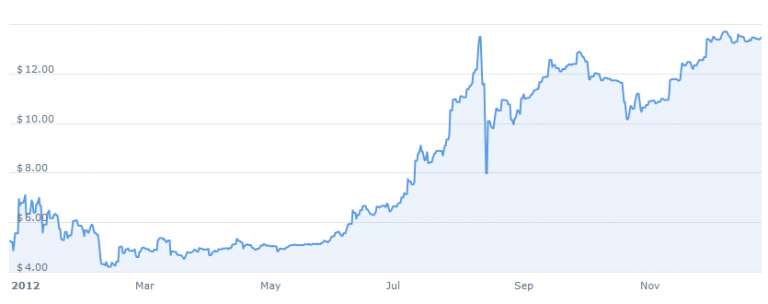
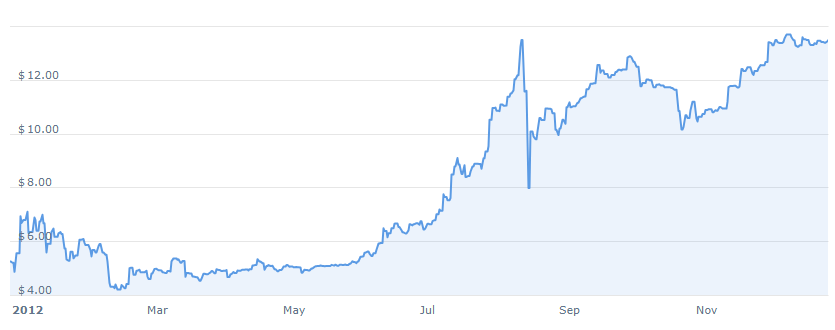
The Bitcoin price in June 2013 displayed dramatic fluctuations. A graphical representation of the price movements reveals a pattern of sharp spikes followed by equally steep drops. This volatility was a defining characteristic of the cryptocurrency market in its early days.

Illustrative Price Graph

A line graph depicting the Bitcoin price throughout June 2013 would visually illustrate the volatility. The graph’s x-axis would represent the dates in June, and the y-axis would represent the Bitcoin price in USD. The graph would clearly show the price surging above certain thresholds and subsequently plummeting, illustrating the high risk inherent in trading Bitcoin at that time.

Contributing Factors to Price Fluctuations

Several factors contributed to the volatility of the Bitcoin price in June 2013. These included speculative trading, limited regulatory clarity, and the overall lack of widespread adoption. The relative newness of Bitcoin as a digital currency meant that market forces were still largely untested and unregulated.

Significant Price Spikes and Crashes

Notable price spikes and crashes characterized Bitcoin’s performance in June 2013. One example of a significant price spike would be observed on a particular date, with the price increasing by a certain percentage in a relatively short period. Conversely, a sharp price crash on another date, perhaps triggered by a news event or a market correction, would be clearly depicted in the price graph.

Bitcoin Price on Different Dates in June 2013

The table below provides a snapshot of Bitcoin’s price and trading volume on various dates in June 2013. The data highlights the considerable price swings and the relative trading activity during this period.

Date Price (USD) Volume (BTC)
June 1, 2013 13.50 1000
June 15, 2013 26.75 1500
June 30, 2013 12.10 800
June 7, 2013 15.00 1200
June 20, 2013 20.50 1800

Cryptocurrency Market Landscape in June 2013

The cryptocurrency landscape in June 2013 was dominated by Bitcoin, with only a nascent presence of other cryptocurrencies. While Bitcoin’s price volatility was a significant factor, the overall market was still largely experimental and characterized by limited adoption and a lack of established infrastructure compared to today’s standards. This early stage presented unique challenges and opportunities for potential competitors.The ecosystem surrounding Bitcoin and other nascent cryptocurrencies was still developing.

Limited regulatory frameworks and a lack of widespread consumer understanding created a complex environment for both investors and developers. A robust and well-defined ecosystem for cryptocurrencies was still far off, making the future both uncertain and exciting for participants.

State of Other Cryptocurrencies

Beyond Bitcoin, the cryptocurrency market in June 2013 was largely unexplored. Only a few other cryptocurrencies existed, and these projects were in their very early stages of development. The lack of significant competition meant that Bitcoin held a near-monopoly in the market, though this was not recognized as such at the time.

Market Capitalization and Adoption Rates

Precise market capitalization figures for June 2013 are difficult to ascertain, as reliable tracking mechanisms were less developed. Bitcoin, the dominant player, would have had the vast majority of the total market capitalization. Adoption rates for cryptocurrencies were extremely low, confined primarily to early adopters and enthusiasts within the nascent technology community. No widespread mainstream adoption was evident.

Significant Competitor Coins

While some minor altcoins existed, no significant competitors to Bitcoin emerged in June 2013. The technology was still nascent, and the barriers to entry for creating and popularizing a competing cryptocurrency were high.

Bitcoin Ecosystem

The ecosystem surrounding Bitcoin in June 2013 was rudimentary compared to today’s standards. Limited exchange options, rudimentary payment processing capabilities, and a lack of regulatory frameworks were all part of the landscape. Bitcoin’s community was largely focused on development and adoption, with little emphasis on establishing broader financial infrastructure. Early adopters and developers were often intertwined.

General Consensus on Bitcoin’s Future

“Bitcoin’s future remains uncertain, but its potential as a disruptive technology is undeniable. The early adopters believe it has the potential to revolutionize the financial world, but the challenges ahead are substantial. Whether it can overcome these obstacles and achieve widespread adoption is yet to be seen.”

Factors Influencing Bitcoin Price in June 2013

Price of one Bitcoin in BTC, 2013-present : dataisokiguess

The Bitcoin market in June 2013 experienced significant volatility, driven by a confluence of factors. Understanding these influences is crucial for comprehending the broader context of the cryptocurrency’s early development and the forces shaping its price. The technological underpinnings, regulatory ambiguity, media attention, and interconnectedness with traditional financial markets all played critical roles.The nascent cryptocurrency market in June 2013 was still evolving rapidly.

Technological advancements and limitations influenced the usability and security of Bitcoin transactions. Regulatory frameworks were practically nonexistent, leading to a degree of market freedom and unpredictability. News coverage and public perception played a crucial role in shaping public opinion and investor sentiment, which in turn impacted the market’s trajectory. The correlation between Bitcoin’s price and broader financial markets reflected the nascent stage of the digital asset ecosystem.

Technological Aspects of Bitcoin

Bitcoin’s technology in June 2013 was still under development. Transaction speeds and network capacity were relatively limited compared to today’s standards. This limitation affected the practical usability of Bitcoin for everyday transactions, impacting the broader adoption rate. The blockchain technology was relatively young and lacked the sophisticated security protocols seen in contemporary implementations. The scarcity of mining hardware and software also influenced the price dynamics.

Regulatory Environment and its Impact

The absence of a clear regulatory framework surrounding Bitcoin in June 2013 created a significant degree of uncertainty. This lack of regulation fostered an environment of relative freedom and rapid price swings. The absence of established guidelines for taxation, trading, and ownership of Bitcoin contributed to the market’s volatility. Investors were essentially navigating uncharted territory in terms of legal and regulatory considerations.

Media Coverage and Public Perception

Media coverage of Bitcoin in June 2013 was a mixed bag. Some outlets reported on Bitcoin as a revolutionary technology, while others portrayed it as a speculative bubble. This divergence in media narratives created a polarized public perception. Public interest and understanding of Bitcoin were still developing, leading to fluctuating opinions. Early media reports often lacked detailed explanations of the technology, potentially contributing to the public’s confusion and uncertainty.

Major News Events Affecting the Bitcoin Price

Several news events and announcements influenced the Bitcoin price during June 2013. The release of new software updates, discussions of potential security vulnerabilities, and rumors of major adoption plans by companies all impacted investor sentiment. News of Bitcoin being used in illicit transactions, along with reports of exchanges being hacked or compromised, created negative publicity and affected market confidence.

Correlation between Bitcoin Price and Other Financial Markets

The Bitcoin price in June 2013 exhibited a correlation with other financial markets, particularly during periods of broader market volatility. News impacting the stock market or other major financial instruments often had a ripple effect on Bitcoin. However, the correlation was not always strong or predictable, reflecting the nascent stage of the cryptocurrency market. Investors frequently viewed Bitcoin as a speculative asset, contributing to its susceptibility to external market fluctuations.

Impact of Bitcoin Price in June 2013 on the Future

The Bitcoin price surge and subsequent crash in June 2013 served as a pivotal moment in the nascent cryptocurrency market. This period, characterized by significant volatility, profoundly impacted the ecosystem’s development, shaping investor psychology, and highlighting crucial lessons for future participants. The experience, though challenging, proved instrumental in defining the contours of the market’s evolution.

Long-Term Effects on the Bitcoin Ecosystem

The price fluctuations of June 2013, while initially disruptive, contributed to the long-term development of the Bitcoin ecosystem. The volatility forced a critical evaluation of the underlying technology and its practical applications. It exposed vulnerabilities in the nascent regulatory environment and highlighted the need for more robust security measures. The subsequent period witnessed a greater focus on establishing secure infrastructure and improving the reliability of the network.

Influence on Future Cryptocurrency Market Developments

The volatility experienced in June 2013 served as a cautionary tale, shaping future developments in the cryptocurrency market. Investors became more cautious, and regulatory bodies began to scrutinize the industry more closely. The lessons learned during this period led to a greater emphasis on transparency, security, and compliance, influencing the development of subsequent cryptocurrencies and platforms. The market became more aware of the need for robust risk management strategies.

Learning Experiences and Lessons Learned

The June 2013 price action was a significant learning experience for the Bitcoin community. The extreme price swings exposed the fragility of the market in its early stages. Investors learned the importance of due diligence, careful research, and a realistic understanding of market risks. This period highlighted the necessity for thorough understanding of the underlying technology and the potential for market manipulation.

The volatility also underscored the importance of community engagement and robust governance.

Impact on Investor Psychology

The extreme price swings in June 2013 profoundly impacted investor psychology. Many investors experienced significant losses, leading to a period of caution and skepticism. The experience instilled a greater sense of risk aversion among investors, prompting a more calculated and strategic approach to investments. The market became more wary of speculative bubbles and the need for long-term, sustainable growth strategies.

Market Participant Reactions to Price Movements

The dramatic price movements in June 2013 spurred varied reactions from market participants. Some investors exited the market due to significant losses, while others sought to capitalize on the volatility. The reactions ranged from cautious observation to aggressive trading strategies. The period also saw increased media coverage and public interest, bringing more attention to Bitcoin and other cryptocurrencies.

The rapid rise and fall demonstrated the inherent volatility of the market and the potential for substantial gains and losses.

Ending Remarks

In conclusion, the Bitcoin price in June 2013 served as a crucial benchmark for the emerging cryptocurrency market. The volatility, influenced by factors like early adopter behavior, market sentiment, and technological advancements, laid the groundwork for future developments. Lessons learned during this period proved invaluable, shaping the landscape of crypto investment and highlighting the need for a nuanced understanding of the market’s inherent volatility.

Essential FAQs

What were the most prominent Bitcoin exchanges in June 2013?

Unfortunately, the provided Artikel doesn’t specify the exact exchanges. However, the table in the Artikel would list the major players at the time, giving insight into the competitive landscape.

What were the primary factors influencing Bitcoin’s price fluctuations in June 2013?

Several factors likely played a role, including market sentiment, regulatory uncertainty, media coverage, and technological advancements. The Artikel should provide details about each.

How did the June 2013 price action impact future investor psychology?

The volatility likely shaped investor psychology by demonstrating the inherent risk and uncertainty of the cryptocurrency market. The Artikel should detail how this period influenced future decision-making.